


Why Every Student Should Travel Before Graduation

In the modern Western world, young people have more opportunities available to them than those in previous generations. With a world of resources and information at their fingertips, it can be hard for young people to choose where they want to go after compulsory schooling. The world is more connected than it has ever been before; however, all of this information is filtered through screens. While it is not on every student's bucket list, traveling internationally as a high school student or college student is highly beneficial. It does not matter if it is for a 1-week volunteer service trip, a study abroad semester, or a gap year.
Whether intentional or not, it seems like many people, particularly in the United States, grow up believing that travel is expensive. There are a few cultural factors that contribute to this belief even before someone enters high school. In the United States, traveling, especially internationally, is seen as a luxury. This is due to the fact that travel culture often includes pictures of beautiful beaches and expensive cruise ships. This travel culture is often aimed at married couples seeking an anniversary trip or newlyweds heading on a honeymoon. This travel culture also places particular emphasis on European destinations such as France, Italy, and Spain. In the present day, this list has expanded to include Iceland, Norway, the British Isles, the Baltics, Greece, Croatia, and Portugal. The reality is, travel can be more accessible than this. Europe is just one part of the globe, and it is a vast continent. Many travel resources will group the countries of Europe together, and give advice based on a few areas. This advice ignores that the regions of Europe; the various countries and the cities within them will each contribute to a different experience. Part of this is due to the fact that the European Union is a large entity in European governance and leads to similar experiences across the continent in some ways. Even though this is the case, the European Union is not a country. If you travel to two or more countries in the EU, you'll see that there are cultural differences and different laws between countries.

Travel does not have to be expensive; the financial cost of a trip varies greatly based on where you are located, which country you are flying to, the length of your trip, and whether or not you have food and housing provided to you. For example, a week-long service trip to Latin America can cost between $1,000 and $3,000 on average, with the bulk of this trip going towards the flight. I went on a one-week service trip while in high school, and the price of that trip was $1700. I do not believe that avoiding travel experiences because they are “too expensive” is necessarily a good reason to not consider a travel experience as a young adult. The price varies even in the same region or country. If a student is interested in studying abroad, the university might have shorter international trips with university faculty or the option to study with a third-party program. If studying at a third-party program, some universities use the “home tuition billing” model. A scenario where the student pays their home university the same tuition that they would during a regular semester; this can exclude any residence housing cost. The university then pays the partner program in their own time. The student may only need to focus on food prices and transportation costs. Studying in another culture teaches you their perspective on various events and situations that you may have learned about back home. But when you’re present where something happened you’ll gain a new appreciation for the experience, that will last a lifetime. For instance, studying n Rome may make ancient Rome and its historical significance come alive, like a living museum.
Unlike with service trips, study abroad often gives a student the opportunity to travel outside their destination before going home, whether during the semester or after. The ease of doing this similarly depends on a variety of factors, such as whether you are flying or perhaps taking a bus or train, depending on immigration rules. While there are areas around the world with restricted borders due to conflict, economic instability, and other factors. There are some areas around the world with agreements for locals specifically. But even if you aren't a local of the countries with these neighborly partnerships, you can still cross borders with your passport, where it will get stamped for a 90-day visa-free stay. Travel does not have to be expensive, it's a variable experience depending on how you’re doing it and where you’re going, and that, in of itself is a benefit.
The benefits of traveling abroad vary depending on the program or experience you choose. However, there are two benefits that you will receive regardless. Over the course of your travel experience, you will gain new perspectives as you come across new cultures. We often do not realize how much culture plays a role in our daily lives until we leave. Programs often prepare you for culture shock, which hits harder the longer you are abroad. But programs may not do as well at preparing you for what is known as reverse culture shock, which similarly hits harder the longer you've been abroad. It doesn't matter if you grew up on a farm and you visit a city or you are from a city and you visit a more rural region; you will experience culture shock and reverse culture shock either way. It does not matter where you go; what matters is the length of your trip.
Regardless of how long your trip is, you will come across people with different life experiences from your own and you will also have flexibility around what you do and when. When I went on my service trip, the coordinators consistently told us that we had to be flexible. Life can be unpredictable, and in some regions of the world, the weather affects daily life a lot more than you may be used to. For example, in many countries in Central and South America, the weather goes through yearly cycles of the rainy season and the dry season. During the rainy season, it often rains in the afternoon, meaning many people use the morning to get outdoor work done. It is also a common experience for power outages to occur. Stepping out of your comfort zone and sometimes away from modern conveniences in the way you’re used to them forces adaptability that’s rarely used anymore. When infrastructure is less reliable than what we’re used to, we develop a deeper appreciation for the conveniences that we often take for granted.
If you have the opportunity, traveling independently provides you with more flexibility over where you go and when. In addition, it also teaches you to build your confidence and resilience, teaches you life skills and financial literacy, such as learning how much individual aspects of your trip cost and budgeting for food, experiences and souvenirs. A very valuable component of traveling Independently is the lessons you learn while doing the most mundane things. Most people come away from traveling internationally with an embarrassing or funny story from an interaction they had with someone from the local culture. This experience could have started due to a language barrier or a misunderstood cultural norm. Regardless of how it happened, you learn from each one of them. You also learn that most regular people are friendly and helpful; these experiences aren't things you can learn through a screen. The internet often stereotypes cultures, generalizes places, and amplifies beliefs that are not always true. The news, for example, often only covers stories of something horrible going on. Without other data, the news has shaped how people, especially in the generations before the internet, view certain areas, cultures and people groups. You may be reading this right now and think that in any situation where you come across these people or these regions, you wouldn't act as someone from a previous generation might. New people are not always dangerous; most aren't. If adolescence is the time when you find your sense of self, then young adulthood is when you develop your own viewpoints and perspectives. Often, you will not know how you would react to a situation until you experience it. Experiences are far more valuable than any textbook or lecture. If a textbook or lecture gives you background knowledge, then experience gives you practice and courage.
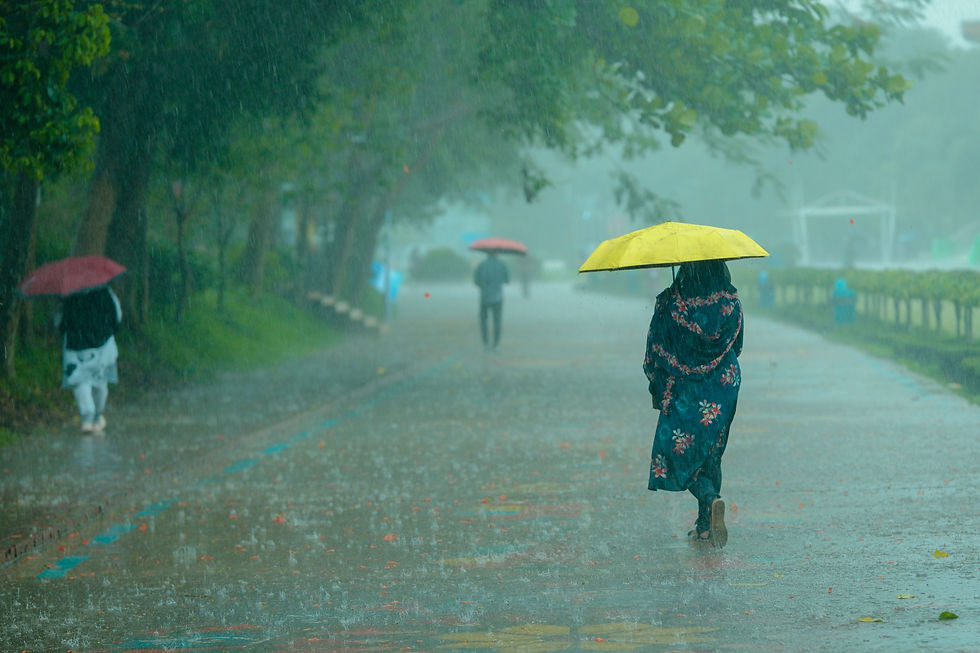
You may have all the head knowledge about how to interact with other cultures, or the history of the region, or the customs and norms, but experience gives you anecdotal evidence of what actually happens in the everyday happenings of an area.
The world is a very diverse place; there are many tribes, languages, cultures, countries, and viewpoints: you will experience something unique on your journey. You will come back at least knowing that you did something hard, challenging, valuable, and rewarding. In a period of life where society asks you to find where you belong, you have the most resources and capability to go out and discover a world beyond your own.


Comments